Οι Οικονομικές Συνέπειες των Δασμών του Ντόναλντ Τραμπ
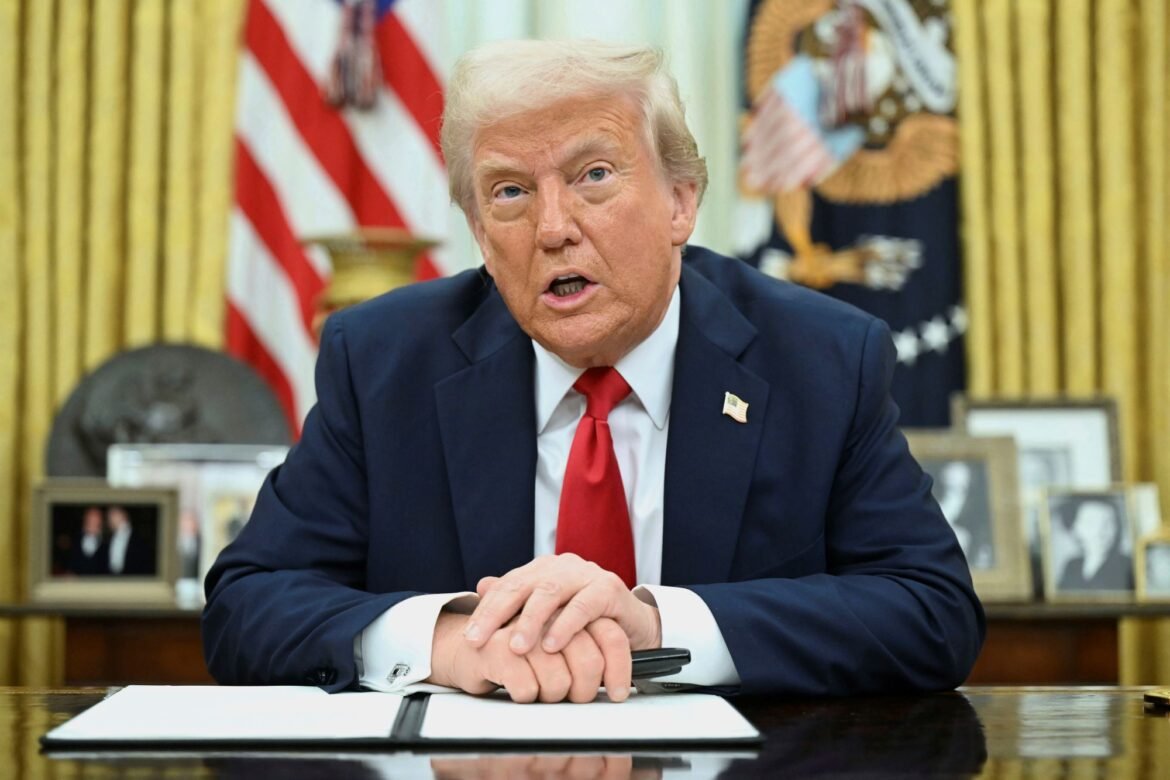
Η αναστάτωση που προκάλεσαν οι πρόσφατες ανακοινώσεις για τους δασμούς από τον Αμερικανό Πρόεδρο, Ντόναλντ Τραμπ, έχει ταράξει την παγκόσμια οικονομία. Ωστόσο, φαίνεται ότι οι επιπτώσεις δεν έχουν τελειώσει και οι συνέπειες θα συνεχίσουν να επηρεάζουν την οικονομική κατάσταση. Καθώς οι πολιτικές γίνονται πιο σαφείς, είναι προφανές ότι ο Τραμπ και η ομάδα του δεν ενεργούν αυθόρμητα ή με αμφιβολίες αλλά έχουν σχεδιάσει μια στρατηγική που στοχεύει σε ριζικές αλλαγές.
Δύο Κεντρικοί Στόχοι της Πολιτικής του Τραμπ
Η τελική έκβαση αυτής της πολιτικής θα φανεί στην πράξη. Μέχρι στιγμής, είναι ξεκάθαρο ότι ο Ντόναλντ Τραμπ και οι συνεργάτες του έχουν θέσει δύο κύριους στόχους:
- Να ενισχύσουν τα κρατικά έσοδα μέσω των δασμών για να καλύψουν το δημοσιονομικό έλλειμμα.
- Να επαναφέρουν στην Αμερική τις βιομηχανίες που μεταφέρθηκαν σε χώρες όπως η Κίνα κατά τη διάρκεια των τελευταίων δεκαετιών.
Ο ίδιος ο πρόεδρος έχει μιλήσει για μια «οικονομική επανάσταση»,καλώντας τους πολίτες να «κρατήσουν γερά». Αυτό δείχνει την πρόθεσή του να υιοθετήσει ένα νέο οικονομικό μοντέλο που συνάδει με τη νέα γεωπολιτική στρατηγική της χώρας, όπου οι ΗΠΑ απομακρύνονται από τον ρόλο του παγκόσμιου χωροφύλακα και εστιάζουν περισσότερο στα εσωτερικά τους ζητήματα.
Τα Δίδυμα Ελλείμματα: Ένας Σημαντικός Παράγοντας
Ένας κρίσιμος παράγοντας σύμφωνα με τον Ντόναλντ Τραμπ είναι τα δίδυμα ελλείμματα των ΗΠΑ. Το πρώτο αφορά το δημοσιονομικό έλλειμμα που ανήλθε στο 7,2% του ΑΕΠ το περασμένο Φεβρουάριο, δηλαδή περίπου 2,2 τρισεκατομμύρια δολάρια.Αυτή η κατάσταση οδηγεί σε αύξηση χρέους άνω του 100% του ΑΕΠ. Το δεύτερο έλλειμμα σχετίζεται με το εμπορικό ισοζύγιο που πλησιάζει το 1 τρισ. δολάρια ή περίπου 4% του ΑΕΠ μέχρι το 2024.
the United States imports and consumes more than it produces and Trump aims to change this by implementing budget cuts and compelling companies to bring back manufacturing facilities that were relocated to countries with lower labor costs like China.
Liberalization of the Economy: A Double-Edged Sword
The approach of Donald Trump resembles a form of austerity in the U.S., akin to the memoranda applied in Greece due to similar twin deficits—entailing reductions in public spending and layoffs within government sectors while increasing costs for private consumption due to tariffs on imported goods.
The tariffs will not onyl affect consumers but also American companies with production facilities abroad; they will have to adjust their pricing strategies which may lead them to sacrifice profit margins just to maintain sales levels amidst rising operational costs caused by these tariffs.
A Potential Economic Downturn Ahead?
This situation has already led to a significant drop in stock prices on Wall Street as fears grow regarding an impending economic stagnation or recession that could slow down GDP growth rates significantly over time. Given that these are not mere minor adjustments but rather a well-planned overhaul of the economic landscape, analysts predict that stock market declines may continue for some time yet.
The Future Outlook for the Dollar and Interest Rates
The dollar is expected to weaken further with some analysts forecasting it could reach an exchange rate of $1.20 per euro soon enough as interest rates might be lowered by the Federal Reserve (Fed) towards late 2025 in response to rising unemployment levels despite inflationary pressures remaining high due largely from tariff-induced price hikes across various consumer goods categories throughout america’s economy overall!
A controversial Path Forward?
Doubt remains among critics who question whether Trump’s optimistic projections about revitalizing American manufacturing hold any merit at all given how protectionist policies could undermine long-standing advantages enjoyed previously such as open markets coupled alongside strong national currencies attracting foreign investments while balancing out those twin deficits effectively to!
the European Union’s Response: Challenges Ahead
An additional concern stemming from Trump’s “economic revolution” involves European firms exporting products into U.S markets since Europe currently enjoys trade surpluses here; thus imposing tariffs would significantly impact their operations negatively moving forward! Moreover ther exists another layer where Chinese goods excluded from entering US markets due solely because imposed duties might redirect towards EU territories creating further complications therein!